Maximizing Recovery and Performance Through Sleep Optimization Strategies
- James Heffernan
- Dec 23, 2025
- 4 min read

Sleep plays a crucial role in how well we recover from daily stress and perform the next day. Yet, many people struggle with disrupted sleep, especially as they age or spend long hours in front of screens. This post explores how screen time and age affect sleep, why optimizing sleep matters for both seniors and tech enthusiasts, and practical ways to improve rest using technology and simple habits. You will also learn how to track and interpret sleep data to enhance your recovery and daily energy.
How Screen Time and Age Affect Sleep Quality
Modern lifestyles often involve extended exposure to screens—phones, tablets, computers, and TVs. These devices emit blue light, which can interfere with the body’s natural sleep-wake cycle by suppressing melatonin, the hormone that signals it’s time to sleep. This disruption can delay falling asleep and reduce overall sleep quality.
As people age, changes in sleep patterns become common. Seniors often experience lighter sleep, more frequent awakenings, and a shift in their internal clock that makes falling asleep earlier or waking up earlier more likely. Combined with screen exposure, these factors can make restful sleep elusive.
For tech enthusiasts who spend hours on devices, the challenge is balancing screen use with healthy sleep habits. For seniors, the focus is on managing natural sleep changes while minimizing environmental disruptions.
Why Sleep Optimization Matters for Seniors and Tech Users
Good sleep supports physical recovery, cognitive function, mood stability, and immune health. For seniors, quality sleep can reduce risks of falls, memory decline, and chronic conditions. For tech users, it boosts focus, creativity, and energy levels.
Optimizing sleep means more than just getting enough hours. It involves improving sleep efficiency, timing, and environment to maximize the body’s natural repair processes. Both groups benefit from strategies that reduce sleep disruption and promote deeper rest.
Comparing Popular Sleep Tech: Oura Ring vs. Whoop
Wearable sleep trackers have become popular tools for understanding and improving sleep. Two leading options are the Oura ring and Whoop strap.
Oura Ring
- Tracks sleep stages, heart rate variability (HRV), body temperature, and movement
- Provides a daily readiness score indicating recovery status
- Sleek, ring form factor that is less intrusive during sleep
- Offers personalized insights and sleep coaching through its app
Whoop Strap
- Focuses on strain, recovery, and sleep metrics
- Measures HRV, resting heart rate, respiratory rate, and sleep cycles
- Requires a subscription for full data access
- Designed for athletes and high-performance users with detailed recovery analytics
Both devices help users identify sleep patterns and recovery needs. The Oura ring suits those seeking a discreet, user-friendly tracker with broad health insights. Whoop appeals to users wanting in-depth performance data and training guidance.
Practical Tech Hygiene Tips for Better Sleep
Reducing screen-related sleep disruption starts with managing light exposure and device use before bedtime. Here are some effective tech hygiene habits:
Use blue light blocker apps or built-in device settings to reduce blue light emission in the evening. Apps like f.lux or Night Shift mode on iOS and Android adjust screen colors to warmer tones after sunset.
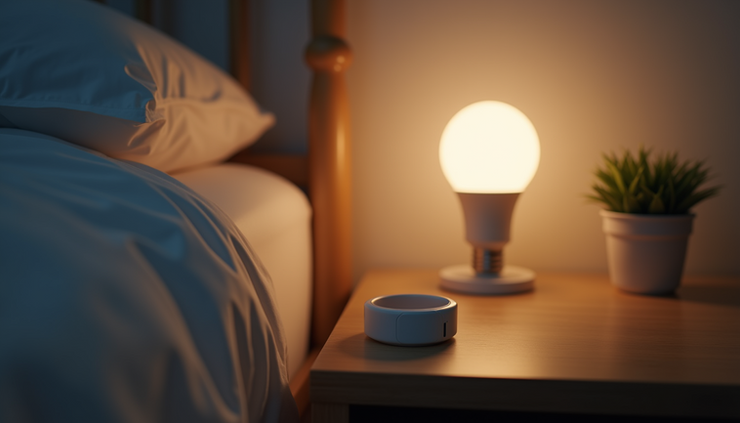
Install smart bulbs that gradually dim and shift to warmer colors as bedtime approaches. This mimics natural sunset lighting and signals your brain to prepare for sleep.
Set a digital curfew by turning off screens at least 30-60 minutes before bed. Use this time for relaxing activities like reading or meditation.
Avoid checking emails or engaging in stimulating content late at night to reduce mental alertness.
Low-Tech Solutions to Support Sleep
Not all sleep improvements require gadgets. Simple, low-tech routines can also promote relaxation and better rest:
Drinking herbal teas such as chamomile, valerian root, or lavender can calm the nervous system and prepare the body for sleep.
Use sleep meditation apps like Calm or Insight Timer to guide you through breathing exercises and mindfulness practices that reduce stress and quiet the mind.
Maintain a consistent sleep schedule by going to bed and waking up at the same time daily, even on weekends.
Create a comfortable sleep environment with a cool room temperature, comfortable bedding, and minimal noise.
Tracking and Interpreting Sleep Data for Recovery
Using sleep trackers or apps provides valuable data, but understanding it is key to making improvements:
Look at total sleep time but also focus on sleep stages: deep sleep supports physical recovery, REM sleep aids memory and mood, and light sleep prepares the body to wake.
Monitor sleep efficiency, the percentage of time in bed actually spent sleeping. Low efficiency indicates restless or fragmented sleep.
Track heart rate variability (HRV) as a marker of recovery and stress. Higher HRV generally means better recovery and resilience.
Use trends over weeks, not just single nights, to identify patterns and the impact of lifestyle changes.
Adjust habits based on data, such as reducing screen time if sleep onset is delayed or adding relaxation routines if sleep quality drops.


Comments